
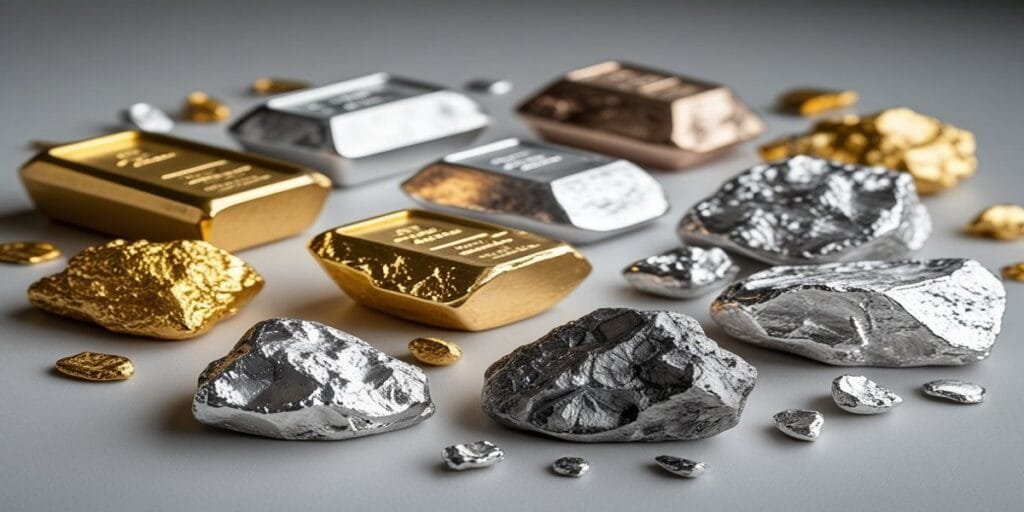
Electronic devices have become an essential part of modern life. From smartphones and laptops to industrial equipment and communication systems, modern technology depends on specialized materials that deliver exceptional performance and reliability.
Among the most important of these materials are precious electronic metals. These metals play a critical role in manufacturing electronic products because they offer superior conductivity, durability, and resistance to corrosion.
As technology continues advancing, demand for these valuable metals continues to increase. Understanding where these metals are used and why they are important helps businesses, collectors, recyclers, and technology enthusiasts better understand the value hidden within electronic equipment.
This guide explores the most important precious electronic metals used today, their applications, and why they remain essential to modern technology.
Why Precious Metals Are Used in Electronics
Electronic devices require materials capable of transmitting electrical signals efficiently while maintaining long-term reliability.
Precious metals provide several advantages:
- Excellent electrical conductivity
- Corrosion resistance
- High durability
- Heat resistance
- Reliable performance
Because electronic devices often operate in demanding environments, manufacturers rely on these metals to ensure consistent functionality and longevity.
The growing global demand for computers, smartphones, renewable energy systems, and advanced communication equipment continues increasing the need for precious electronic metals.
1. Gold
Gold remains one of the most important precious metals used in electronics.
It is commonly found in:
- Circuit boards
- Computer processors
- Connectors
- Memory modules
- Communication equipment
Gold offers excellent conductivity while resisting corrosion and oxidation. These characteristics make it ideal for applications requiring highly reliable electrical connections.
Because of its unique properties, gold continues to be widely used in advanced electronic devices despite its high value.
👉 gold recovery chemicals USA
2. Silver
Silver is known for having the highest electrical conductivity of all metals.
It is commonly used in:
- Circuit boards
- Switches
- Conductive coatings
- Solar panels
Silver helps improve electrical efficiency and performance across many electronic applications.
Its widespread use in both consumer electronics and industrial systems contributes to ongoing market demand.
3. Palladium
Palladium has become increasingly important in electronic manufacturing.
Common applications include:
- Multi-layer ceramic capacitors
- Electrical contacts
- Industrial electronics
Its excellent durability and conductivity make it valuable in high-performance electronic systems.
Demand for palladium continues growing alongside advances in technology and electronics manufacturing.
4. Platinum
Platinum is used in specialized electronic applications where reliability is critical.
Applications include:
- Medical devices
- Industrial sensors
- High-performance electronics
Platinum’s resistance to corrosion and chemical reactions makes it particularly valuable in advanced technologies.
5. Copper
Although not classified as a precious metal, copper is one of the most important materials in electronics.
Copper is commonly found in:
- Wiring
- Circuit traces
- Power systems
- Electrical connectors
Its excellent conductivity and affordability make it essential for nearly every electronic device manufactured today.
6. Rhodium
Rhodium is one of the rarest and most valuable metals used in modern industry.
It may be found in:
- Specialized electronics
- Industrial equipment
- Advanced communication systems
Because of its rarity and unique properties, rhodium commands significant value in global markets.
7. Ruthenium
Ruthenium plays an important role in advanced electronic manufacturing.
Applications include:
- Data storage devices
- Electrical contacts
- Microelectronic components
As electronic devices become smaller and more sophisticated, demand for ruthenium continues increasing.
8. Iridium
Iridium is valued for its exceptional resistance to wear, heat, and corrosion.
It is commonly used in:
- Aerospace electronics
- Industrial technology
- Specialized electronic components
Although used in smaller quantities than some other metals, iridium remains highly important in advanced technological applications, precious electronic metals.
Growing Demand for Precious Electronic Metals
Several factors continue driving demand worldwide.
Expansion of Consumer Electronics
Smartphones, laptops, tablets, and wearable devices require increasing amounts of advanced materials.
Artificial Intelligence Infrastructure
AI systems depend on large-scale computing equipment containing valuable electronic metals.
Renewable Energy Technologies
Solar power systems and energy storage solutions require specialized electronic components.
Telecommunications Growth
The expansion of communication networks continues increasing demand for advanced electronic materials.
These factors support long-term demand for precious electronic metals across multiple industries, precious electronic metals.
Importance of Recovery and Recycling
As demand for technology grows, recovery and recycling become increasingly important.
Benefits include:
- Resource conservation
- Reduced environmental impact
- Lower landfill waste
- Sustainable material supply
Recovering valuable metals from electronic products helps support both economic and environmental goals.
👉 gold refining process USA
👉 PCB gold recovery USA
👉 gold recovery business USA
Authority Resource
For official information about electronics recycling and environmental management:
👉 https://www.epa.gov/recycle/electronics-donation-and-recycling
Final Thoughts
The importance of precious electronic metals continues growing as technology becomes increasingly integrated into everyday life. Gold, silver, palladium, platinum, rhodium, ruthenium, and iridium all contribute to the performance and reliability of modern electronic systems.
As global demand for technology expands, these metals will remain essential components of electronic manufacturing and innovation. Understanding their applications and value helps businesses, collectors, and technology enthusiasts appreciate the critical role they play in the digital world.
Frequently Asked Questions:
What are precious electronic metals?
Precious electronic metals are valuable metals used in electronic devices due to their conductivity, durability, and corrosion resistance.
Which precious metal is most commonly used in electronics?
Gold is one of the most commonly used precious metals because it provides excellent conductivity and corrosion resistance.
Is silver used in electronics?
Yes. Silver offers outstanding electrical conductivity and is widely used in many electronic applications.
Why are precious metals important in technology?
They improve performance, reliability, efficiency, and durability in electronic systems.
Can precious electronic metals be recovered?
Yes. Many valuable metals can be recovered and recycled from electronic devices through specialized recovery processes.