Medical antiques provide a fascinating window into the history of healthcare, surgery, dentistry, and scientific innovation. Long before modern hospitals were equipped with advanced technology and digital diagnostics, doctors relied on handcrafted instruments, mechanical devices, and specialized medical equipment to diagnose and treat patients.
Today, collectors, historians, museums, and antique enthusiasts actively seek antiques in medical because of their historical significance, unique craftsmanship, and educational value. These artifacts tell the story of how medicine evolved over the centuries and showcase the ingenuity of early healthcare professionals.
Whether displayed in a private collection, museum exhibit, medical office, or historical institution, medical antiques continue attracting interest from collectors around the world.
This guide explores the history of antiques in medical, popular collectible categories, factors affecting value, and how collectors identify authentic pieces.
Why Medical Antiques Are Popular
Medical antiques remain highly desirable because they represent important milestones in healthcare history.
Collectors appreciate them because they showcase:
- Medical innovation
- Historical craftsmanship
- Scientific advancement
- Educational value
- Unique display appeal
Unlike modern disposable equipment, many historical medical tools were designed to last for decades and were often handcrafted using high-quality materials.
As interest in historical collectibles continues growing, demand for authentic antiques in medical remains strong.
The History of Medical Antiques
Healthcare tools have existed for thousands of years.
Ancient civilizations developed instruments for:
- Surgery
- Diagnosis
- Dentistry
- Treatment
As medical knowledge expanded, equipment became more sophisticated and specialized.
The 18th, 19th, and early 20th centuries produced many of the most collectible antiques in medical available today. During these periods, medical practitioners began using precision instruments designed for specific procedures and examinations.
Many of these surviving artifacts are now prized collectibles.
Popular Types of Medical Antiques
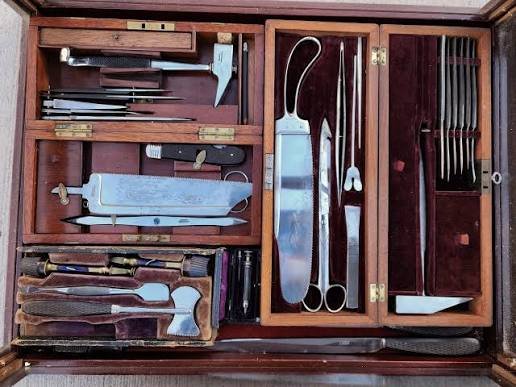
Antique Surgical Tools
Surgical instruments remain among the most sought-after antiques in medical.
Common examples include:
- Scalpels
- Forceps
- Bone saws
- Surgical clamps
- Amputation kits
Collectors often search for complete surgical sets because they provide historical context and typically command higher values.
Antique Stethoscopes
Early stethoscopes represent a major advancement in medical diagnosis.
Many antique examples feature:
- Wooden construction
- Brass fittings
- Handcrafted designs
These pieces remain highly collectible among both medical historians and antique enthusiasts.
Diagnostic Equipment
Historical diagnostic devices continue attracting collectors worldwide.
Examples include:
- Blood pressure monitors
- Thermometers
- Ophthalmology instruments
- Examination tools
Many diagnostic devices demonstrate the evolution of medical science and technology.
Antique Dental Equipment
Dental antiques have developed a strong niche collecting market.
Popular examples include:
- Dental forceps
- Tooth extraction tools
- Early dental drills
- Dentist tool kits
Collectors often appreciate the unusual appearance and historical significance of these items.
How to Identify Authentic Medical Antiques
Proper identification helps determine authenticity, age, and value.
Manufacturer Markings
Many historical instruments feature maker stamps or engravings.
These markings may identify:
- Manufacturer
- Production period
- Country of origin
Well-known manufacturers often increase collector interest.
Construction Materials
Older antiques in medical commonly contain:
- Brass
- Copper
- Steel
- Glass
- Wood
Material composition can often help estimate age and authenticity.
Craftsmanship
Antique healthcare equipment frequently displays superior craftsmanship compared to modern mass-produced tools.
Collectors examine:
- Engravings
- Mechanical design
- Finishing quality
- Construction techniques
Detailed craftsmanship often indicates authenticity and higher value.
Factors That Affect Value
Several factors influence the market value of antiques in medical.
Condition
Collectors generally prefer pieces that remain in original condition.
Items with:
- Minimal damage
- Original finishes
- Functional components
often command higher prices.
Rarity
Rare instruments typically attract greater collector demand.
Limited-production devices and specialty medical equipment often sell at premium prices.
Historical Significance
Items associated with important medical developments or historical periods frequently become more valuable.
Completeness
Complete medical kits often sell for significantly more than individual instruments.
Collectors frequently pay premiums for complete sets.
Building a Medical Antiques Collection
Many collectors specialize in particular areas of medical history.
Popular collecting themes include:
- Surgical history
- Military medicine
- Dental equipment
- Hospital instruments
- Diagnostic devices
Focused collections often become more valuable and easier to market in the future.
Displaying Medical Antiques
Proper display helps preserve historical artifacts.
Recommended practices include:
- Glass display cabinets
- Controlled humidity
- Stable temperatures
- Limited sunlight exposure
These precautions help protect both condition and value.
Related Antique Categories
Many collectors interested in antiques medical also explore other historical collectible categories.
Popular categories include:
👉 antique furniture collection
👉 antique glass collection
👉 antique clocks collection
👉 antique walking canes
👉 antique music boxes
These categories often attract similar buyers interested in craftsmanship, history, and preservation.
Why Medical Antiques Continue Growing in Popularity
Several factors continue driving collector demand.
Museum Interest
Museums continue expanding historical medical exhibits.
Historical Research
Researchers use antiques in medical to study the evolution of healthcare.
Interior Design Trends
Many collectors display historical medical items as unique decorative pieces.
Educational Value
Medical antiques help illustrate how healthcare practices have evolved throughout history.
As interest in historical collectibles continues growing, demand for authentic antiques in medical is expected to remain strong.
Authority Resource
For historical collections and preservation resources:
👉 antique furniture collection
👉 antique music boxes collection
👉 antique chandeliers and lighting
Final Thoughts
Medical antiques provide a unique connection to the history of healthcare, scientific progress, and medical innovation. From antique surgical tools and diagnostic devices to dental equipment and early stethoscopes, these artifacts continue attracting collectors around the world.
Understanding authenticity, rarity, condition, and historical significance can help collectors make informed purchasing decisions while preserving valuable pieces of healthcare history. Whether you are building a personal collection, researching medical history, or searching for unique historical artifacts, medical antiques remain one of the most fascinating categories within the antique collecting world.
Frequently Asked Questions:
What are medical antiques?
Medical antiques are historical healthcare tools, diagnostic devices, surgical instruments, and medical artifacts collected for their historical and educational value.
Are medical antiques collectible?
Yes. Collectors actively seek medical antiques because of their craftsmanship, rarity, and importance in healthcare history.
How do I identify authentic medical antiques?
Look for manufacturer marks, original materials, craftsmanship details, and historical construction methods.
What affects the value of medical antiques?
Condition, rarity, age, completeness, and historical significance all influence value.
Where can I buy medical antiques?
Collectors often find medical antiques through antique dealers, auctions, museums, estate sales, and specialized antique collections.