
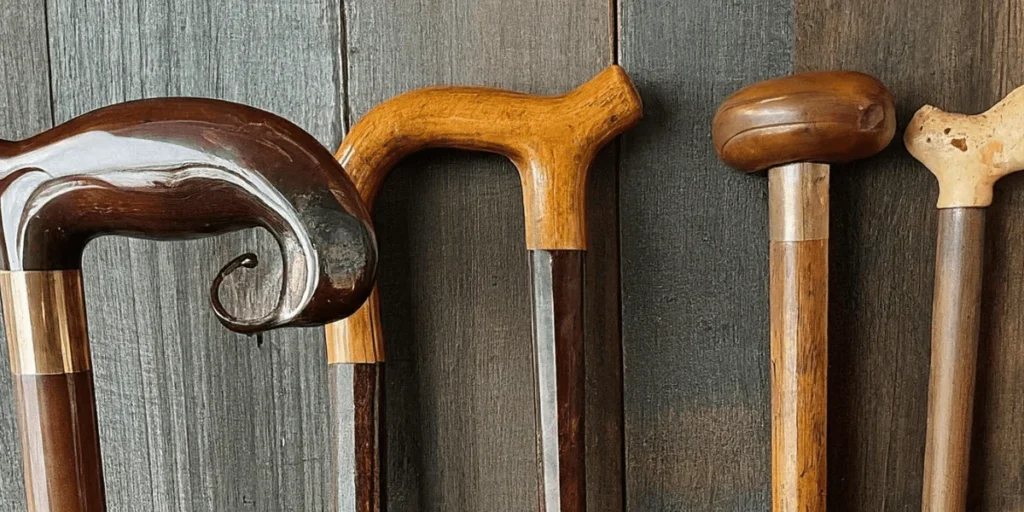
Walking canes have served practical and decorative purposes for centuries. While originally designed to assist mobility, many historic canes evolved into symbols of status, wealth, craftsmanship, and personal style. Today, antique walking canes remain highly desirable among collectors, historians, and antique enthusiasts worldwide.
From beautifully carved wooden shafts to canes featuring silver, ivory, brass, and gold accents, these historical items represent a fascinating area of antique collecting. Many examples showcase extraordinary craftsmanship that is rarely seen in modern production.
This guide explores the history of antique walking canes, how to identify authentic pieces, factors affecting value, and tips for building a quality collection.
Why Antique Walking Canes Are Popular
Collectors are drawn to antique walking canes for several reasons.
Some of the main attractions include:
- Historical significance
- Unique craftsmanship
- Decorative appeal
- Investment potential
- Wide variety of styles
Unlike many modern accessories, antique canes often feature handcrafted details that make each piece unique.
Many collectors also appreciate the stories and history associated with these items.
History of Walking Canes
Walking sticks have existed for thousands of years.
Ancient civilizations used staffs and canes for:
- Mobility assistance
- Ceremonial purposes
- Symbols of authority
- Fashion accessories
By the Victorian era, antique walking canes became highly fashionable among gentlemen and aristocrats.
Manufacturers created elaborate designs featuring decorative handles, rare woods, precious metals, and artistic carvings.
Many of these historic pieces remain collectible today.
Popular Types of Antique Walking Canes
Victorian Canes
Victorian-era canes remain among the most collectible.
Features often include:
- Silver handles
- Decorative engravings
- Exotic woods
- Elegant craftsmanship
Collectors frequently seek Victorian examples because of their artistic design.
Folk Art Canes
Hand-carved canes created by skilled artisans have developed strong collector demand.
These canes often feature:
- Animal carvings
- Human figures
- Historical themes
- Unique artistic details
Many folk-art examples are one-of-a-kind pieces.
Military and Commemorative Canes
Some antique walking canes were created to commemorate military service or important events.
These examples may include:
- Military insignia
- Engraved dates
- Historical references
- Veteran ownership markings
Such canes often appeal to military collectors.
Sword Canes
Sword canes combine craftsmanship with hidden mechanical features.
Because laws vary by location, collectors should always verify local regulations regarding ownership and display.
Historical examples remain highly collectible.
How to Identify Authentic Antique Walking Canes
Correct identification is essential when evaluating potential purchases.
Examine Materials
Authentic antique walking canes often contain:
- Hardwood shafts
- Silver fittings
- Brass components
- Horn handles
- Bone decorations
Material quality can provide valuable clues regarding age and authenticity.
Check for Maker Marks
Many manufacturers stamped or engraved identifying marks.
These markings may reveal:
- Maker
- Production date
- Country of origin
Researching these details can help verify authenticity.
Assess Craftsmanship
Collectors should examine:
- Carving quality
- Decorative details
- Joinery
- Handle construction
Handcrafted features often indicate genuine antique production.
Factors Affecting Value
Several factors influence market value.
Condition
Condition remains one of the most important factors.
Collectors prefer:
- Original finishes
- Minimal repairs
- Structural stability
- Clear decorative details
Rarity
Rare examples typically command higher prices.
Limited-production pieces and unusual designs often attract strong collector demand.
Historical Importance
Canes associated with notable individuals, events, or historical periods may achieve premium values.
Materials
High-quality materials can significantly impact value.
Examples include:
- Sterling silver
- Gold accents
- Ivory (subject to legal restrictions)
- Exotic hardwoods
Building a Cane Collection
Many collectors focus on specialized categories.
Popular collecting themes include:
- Victorian canes
- Military canes
- Folk art canes
- Decorative canes
- Presentation canes
A focused collection often becomes easier to expand and display.
Preserving Antique Walking Canes
Proper care helps protect both condition and value.
Recommended practices include:
- Store in dry environments
- Avoid direct sunlight
- Handle carefully
- Inspect regularly
Preservation ensures these historical artifacts remain attractive for future generations.
Related Antique Categories
Collectors interested in walking canes frequently explore other antique categories.
Popular options include:
👉 antique furniture collection
👉 antique clocks collection
👉 antique glass collection
👉 music box antiques collection
👉 medical antiques collection
These categories often appeal to collectors who appreciate craftsmanship and historical significance.
Why Demand Continues Growing
Several trends continue supporting the market for antique walking canes.
Growing Interest in Antiques
Collectors increasingly seek unique historical items.
Home Décor Trends
Many canes serve as attractive display pieces.
Historical Appreciation
Collectors enjoy preserving artifacts connected to earlier generations.
Investment Potential
Quality examples often maintain long-term collector demand.
Authority Resource
For historical preservation and collecting resources:
👉 antique walking canes collection
👉 antique furniture collection
👉 music box antiques collection
👉 antique chandeliers and lighting
Final Thoughts
Antique walking canes combine history, craftsmanship, and collectible value into one fascinating category. From elegant Victorian examples to rare folk-art carvings and military commemorative pieces, collectors continue seeking these unique artifacts.
Understanding authenticity, condition, rarity, and historical significance helps collectors make informed purchasing decisions. Whether displayed as decorative objects or preserved as historical treasures, antique walking canes remain a rewarding collecting niche with enduring appeal.
Frequently Asked Questions
What are antique walking canes?
Antique walking canes are historic mobility aids and decorative accessories valued for their craftsmanship and historical significance.
How can I identify authentic antique walking canes?
Look for maker marks, quality materials, age-related wear, and handcrafted construction details.
Are antique walking canes valuable?
Yes. Value depends on rarity, condition, materials, craftsmanship, and historical importance.
What types of canes are most collectible?
Victorian canes, folk-art canes, military canes, and rare presentation canes are among the most sought after.
How should antique canes be stored?
Store them in dry conditions away from direct sunlight and excessive humidity to preserve their condition.