
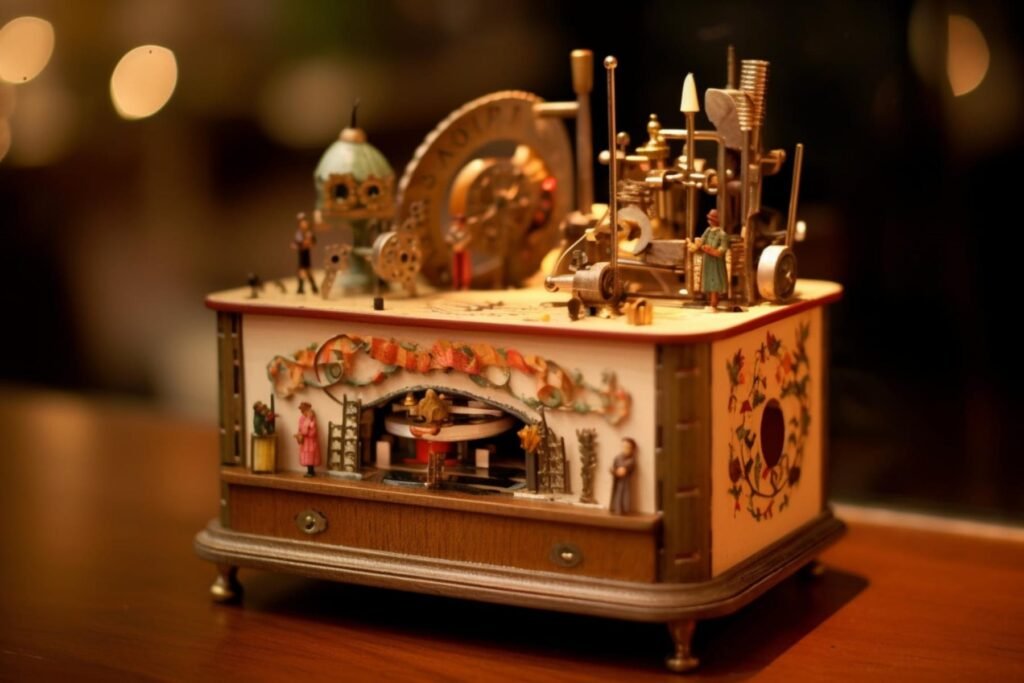
Music boxes have captivated collectors and antique enthusiasts for generations. Their beautiful melodies, intricate craftsmanship, and historical significance make them among the most desirable collectibles in today’s antique market.
Whether displayed in a private collection, passed down through family generations, or purchased as decorative treasures, music box antiques continue attracting collectors around the world.
From Swiss-made masterpieces to Victorian-era keepsakes, these fascinating mechanical devices represent a unique combination of engineering, artistry, and history.
This guide explains everything collectors should know about music box antiques, including identification, valuation, collecting strategies, and preservation techniques.
Why Music Boxes Remain Popular
Collectors appreciate music box antiques for several reasons.
Benefits include:
- Historical significance
- Decorative beauty
- Mechanical craftsmanship
- Investment potential
- Collectible rarity
Unlike modern electronic devices, antique music boxes produce melodies using purely mechanical systems, making them fascinating examples of historical engineering.
Many collectors view them as miniature works of art.
The History of Music Boxes
The origins of music boxes can be traced back to the late 18th century.
Swiss craftsmen played a major role in developing these devices.
By the 19th century, music box antiques became popular throughout Europe and North America.
Manufacturers produced a wide variety of designs, ranging from small personal keepsakes to large decorative cabinet models.
Many of these historical examples survive today and remain highly collectible.
Popular Types of Music Box Antiques
Cylinder Music Boxes
Cylinder music boxes use a rotating metal cylinder containing small pins that pluck tuned teeth on a comb.
These are among the earliest forms of music box antiques.
Collectors highly value well-preserved examples.
Disc Music Boxes
Disc-operated music boxes gained popularity during the late 19th century.
Advantages include:
- Interchangeable music discs
- Larger song selections
- Easier operation
Many collectors focus specifically on disc-operated models.
Victorian Music Boxes
Victorian-era music boxes often feature ornate decorations and luxurious materials.
Common features include:
- Wooden cases
- Decorative carvings
- Brass components
- Fine craftsmanship
Victorian pieces remain among the most desirable music box antiques available today.
How to Identify Authentic Music Boxes
Proper identification helps determine authenticity and value.
Manufacturer Marks
Many antique music boxes include maker markings.
Common information may include:
- Manufacturer name
- Serial number
- Country of origin
These markings often help establish authenticity.
Construction Quality
Authentic music box antiques typically display exceptional craftsmanship.
Collectors examine:
- Joinery
- Internal mechanisms
- Materials
- Finishing quality
Superior craftsmanship often indicates a genuine antique piece.
Mechanical Components
Original mechanical systems can significantly impact value.
Collectors frequently inspect:
- Comb condition
- Cylinder condition
- Disc integrity
- Winding mechanisms
Well-preserved mechanisms generally command higher prices.
Factors Affecting Value
Several factors influence the value of music box antiques.
Condition
Condition remains one of the most important considerations.
Collectors generally prefer:
- Original components
- Functional mechanisms
- Minimal repairs
- Excellent cosmetic appearance
Rarity
Rare models often achieve premium market prices.
Limited-production examples are particularly desirable.
Manufacturer Reputation
Certain manufacturers remain highly respected among collectors.
Maker identification can significantly affect value.
Musical Quality
Boxes producing clear, accurate melodies often attract greater demand.
Functionality remains important for many buyers.
Building a Music Box Collection
Many collectors focus on specific themes.
Popular collecting areas include:
- Swiss music boxes
- Victorian examples
- Disc-operated models
- Miniature music boxes
- Decorative luxury pieces
Specialized collections often develop stronger market appeal over time.
Displaying and Preserving Music Boxes
Proper care helps maintain both condition and value.
Recommended practices include:
- Avoid direct sunlight
- Control humidity
- Keep mechanisms clean
- Store in stable temperatures
Preservation plays an important role in protecting valuable music box antiques.
Related Antique Categories
Collectors interested in music boxes often enjoy other historical collectibles.
Popular categories include:
👉 antique furniture collection
👉 antique clocks collection
👉 antique glass collection
👉 antique walking canes
👉 medical antiques collection
These categories frequently attract similar buyers interested in craftsmanship and historical significance.
Why Demand Continues Growing
Several factors continue driving collector interest.
Vintage Décor Trends
Antique décor remains highly desirable.
Historical Appreciation
Collectors enjoy preserving historical craftsmanship.
Mechanical Fascination
The engineering behind antique music boxes continues fascinating collectors.
Investment Potential
Rare and high-quality examples often maintain strong long-term value.
Authority Resource
For historical music box collections and educational resources:
👉 https://www.smithsonianmag.com
👉 music box antiques collection
👉 antique furniture collection
👉 antique chandeliers and lighting
Final Thoughts
Music boxes remain among the most fascinating and collectible antiques available today. Their combination of artistry, craftsmanship, and mechanical innovation continues attracting collectors worldwide.
Whether you are searching for your first collectible piece or expanding an established collection, understanding authenticity, condition, rarity, and historical significance will help you make informed purchasing decisions. As collector demand remains strong, music box antiques continue offering both enjoyment and long-term collecting potential.
Frequently Asked Questions:
What are music box antiques?
Music box antiques are historical mechanical devices designed to play melodies using cylinders, discs, or other mechanical systems.
How can I identify authentic music boxes?
Look for manufacturer markings, original mechanisms, quality craftsmanship, and age-related characteristics.
Are antique music boxes valuable?
Yes. Value depends on rarity, condition, manufacturer, functionality, and historical significance.
What types of music boxes are most collectible?
Cylinder music boxes, Victorian music boxes, and Swiss-made examples remain highly sought after.
How should antique music boxes be stored?
Store them in stable temperatures, away from moisture and direct sunlight, while keeping mechanisms clean and protected.