Antique glass has fascinated collectors for generations. From elegant decorative pieces to functional household items, antique glass represents craftsmanship, artistry, and history that cannot be replicated by modern mass production.
Whether displayed in a collection, used as home décor, or passed down through family generations, antique glass continues attracting buyers throughout the world.
Understanding antique glass guide is one of the most important skills for collectors. Proper identification helps determine authenticity, age, rarity, and potential value while protecting buyers from reproductions and misidentified items.
This guide explains how to identify antique glass, what characteristics to examine, and why certain pieces are highly sought after by collectors.
Why antique glass Guide Remains Popular
Collectors appreciate antique glass for several reasons.
Benefits include:
- Historical significance
- Decorative beauty
- Handcrafted quality
- Collectible value
- Investment potential
Many antique glass pieces serve as both decorative art and historical artifacts.
Because each era produced unique styles, colors, and manufacturing techniques, antique glass remains one of the most diverse collecting categories available today.
Understanding Antique Glass Guide
Generally, glass items over 100 years old are considered antiques.
Many collectible pieces originate from:
- Victorian Era
- Art Nouveau Period
- Art Deco Period
- Early American Glass Manufacturers
- European Glassmakers
Each period introduced distinct styles and manufacturing methods that help collectors identify authentic pieces.
Key Signs of antique glass guide
Pontil Marks
A pontil mark is one of the strongest indicators of older handmade glass.
These marks are often found on the base and indicate the glass was separated from a pontil rod during production.
Collectors frequently look for these marks when evaluating authenticity, antique glass guide.
Air Bubbles
Small air bubbles are common in older handmade glass.
While modern manufacturing seeks perfection, antique production methods often resulted in minor imperfections.
These imperfections can help identify authentic antique pieces.
Wear Patterns
Genuine antique glass often shows:
- Base wear
- Light scratches
- Surface aging
Natural wear accumulated over decades typically differs from artificially aged reproductions, antique glass guide.
Mold Seams
Examining mold seams helps estimate age.
Many older pieces display distinctive seam patterns that experienced collectors use during identification.
Popular Types of Antique Glass
Depression Glass
Produced during the Great Depression, this colorful glass remains highly collectible today, antique glass guide.
Popular colors include:
- Pink
- Green
- Amber
- Blue
Collectors continue searching for complete sets and rare patterns.
Cut Glass
Cut glass features decorative patterns created through hand-cutting techniques.
Its craftsmanship and elegance contribute to strong collector demand.
Carnival Glass
Known for its iridescent finish, carnival glass remains one of the most recognizable antique glass categories, antique glass guide.
Its colorful appearance makes it highly desirable among collectors.
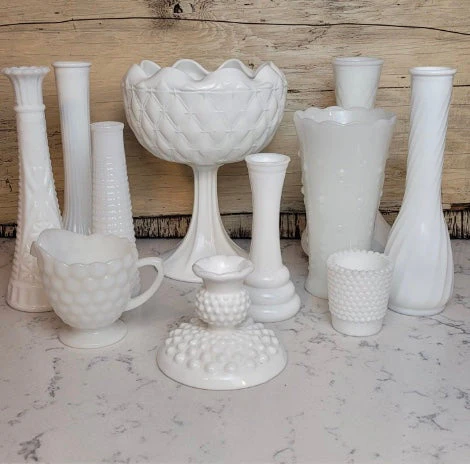
Milk Glass
Milk glass features an opaque white appearance and has been widely collected for decades.
Many antique examples remain highly sought after.
Factors Affecting Antique Glass Values
Several factors influence value.
Age
Older pieces often attract greater collector interest.
Condition
Collectors generally prefer pieces free from:
- Cracks
- Chips
- Repairs
Excellent condition often increases market value significantly.
Rarity
Limited-production patterns and unusual colors often command premium prices.
Manufacturer
Certain manufacturers remain highly respected within the collecting community.
Maker identification can significantly affect pricing.
Common Mistakes New Collectors Make
Many beginners make avoidable errors.
Ignoring Condition
Small damage can dramatically reduce value.
Overlooking Reproductions
Modern reproductions sometimes resemble genuine antiques.
Careful examination remains essential.
Buying Without Research
Understanding patterns, manufacturers, and market trends helps prevent costly mistakes.
Building an Antique Collection
Many collectors expand beyond glass into related antique categories.
Popular collecting areas include:
👉 antique furniture collection
👉 antique clocks collection
👉 antique walking canes
👉 antique medical instruments
👉 antique music boxes
These categories often attract the same buyers and collectors.
Why Antique Glass Collecting Continues Growing
Several trends continue supporting collector demand.
Home Décor Popularity
Vintage décor remains highly desirable.
Historical Appreciation
Collectors enjoy preserving historical craftsmanship.
Online Marketplaces
Greater accessibility has expanded the collector community.
Investment Potential
Rare examples continue attracting long-term buyers.
Authority Resource
For museum collections and historical glass references:
👉 antique furniture collection
👉 antique chandeliers and lighting
Final Thoughts
Understanding antique glass guide helps collectors make informed purchasing decisions while avoiding reproductions and misidentified pieces. By examining manufacturing characteristics, condition, age indicators, and maker information, collectors can better determine authenticity and value.
As interest in antiques continues growing, antique glass remains one of the most attractive collecting categories due to its beauty, history, and long-term appeal. Whether you’re beginning a collection or expanding an existing one, learning proper identification techniques is essential for success.
Frequently Asked Questions:
How do I identify antique glass?
Collectors examine pontil marks, bubbles, wear patterns, mold seams, and manufacturing characteristics.
What is the most collectible antique glass?
Depression glass, carnival glass, cut glass, and milk glass remain among the most popular categories.
Do bubbles indicate antique glass?
Small air bubbles may indicate older manufacturing methods and can help support identification.
Does condition affect antique glass value?
Yes. Chips, cracks, and repairs often reduce collector value significantly.
Is antique glass a good collectible?
Many collectors value antique glass for its beauty, history, rarity, and decorative appeal.