
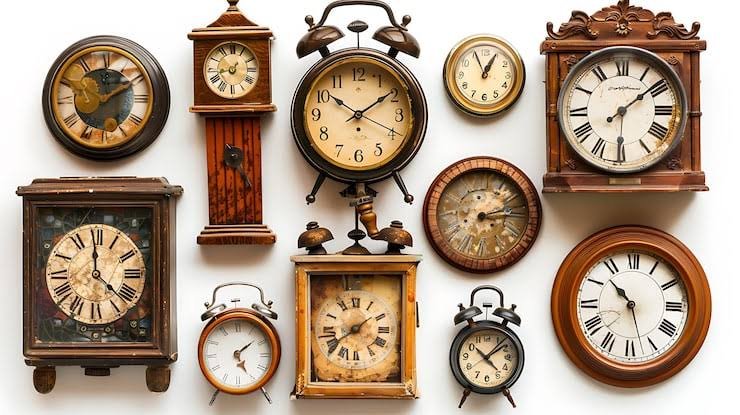
Antique clocks have fascinated collectors for generations. Beyond their practical purpose, these historic timepieces represent craftsmanship, engineering, and artistic design from different periods in history.
Today, the market for antique clocks remains strong as collectors, decorators, investors, and antique enthusiasts continue searching for unique pieces with historical significance.
Understanding antique clock values is important whether you are buying, selling, collecting, or inheriting vintage clocks. Numerous factors influence value, and knowing what to look for can help you make informed decisions.
This guide explains how antique clock values are determined, what affects pricing, and why certain clocks command premium prices in today’s market.
Why Antique Clocks Remain Popular
Unlike modern mass-produced clocks, antique clocks often feature hand-crafted components and unique designs.
Collectors appreciate them because they offer:
- Historical significance
- Decorative appeal
- Mechanical craftsmanship
- Investment potential
- Collectible rarity
Many antique clocks become conversation pieces while adding character to homes, offices, and collections.
What Determines Antique Clock Values
Several important factors influence the value of antique clocks.
Age
Generally, older clocks attract more collector interest.
However, age alone does not guarantee higher value.
Condition and rarity often play equally important roles.
Condition
Condition remains one of the biggest pricing factors.
Collectors prefer clocks with:
- Original parts
- Working mechanisms
- Minimal repairs
- Preserved finishes
Damaged or heavily modified clocks typically sell for less.
Manufacturer
Certain clockmakers are highly respected among collectors.
Well-known manufacturers often command premium prices due to reputation and craftsmanship, antique clock values.
Rarity
Limited production models are often more valuable.
Unique features, unusual designs, or uncommon mechanisms may increase collector demand.
Historical Importance
Clocks associated with specific periods, events, or notable makers often attract strong market interest.
Popular Types of Antique Clocks
Grandfather Clocks
Grandfather clocks remain among the most recognizable antique timepieces.
Collectors appreciate:
- Large decorative cases
- Mechanical movements
- Traditional craftsmanship
Mantel Clocks
Mantel clocks are highly sought after because they fit easily into modern homes.
Their popularity helps maintain strong market demand.
Wall Clocks
Antique wall clocks continue attracting collectors due to their decorative appeal and historical significance, antique clock values.
Carriage Clocks
Originally designed for travel, carriage clocks remain popular among collectors seeking compact antique pieces.
Signs of a Valuable Antique Clock
Collectors often evaluate specific characteristics.
Look for:
- Original maker’s marks
- Authentic movements
- Original finishes
- Complete mechanisms
- Limited production designs
These features often contribute to higher values.
Antique Clock Market Trends
The antique clock market continues evolving.
Current trends include:
- Growing online sales
- Increased collector interest
- Demand for restored examples
- Interest in unique historical pieces
Many buyers also purchase antique clocks as decorative investments rather than purely functional items, antique clock values.
Caring for Antique Clocks
Proper care helps preserve both condition and value.
Recommendations include:
- Regular dusting
- Professional servicing
- Avoiding excessive humidity
- Careful transportation
- Protecting original finishes
Good maintenance helps preserve long-term collectibility.
Why Antique Collecting Continues Growing
Many collectors enjoy building collections that include multiple antique categories.
Popular collectibles often include:
👉 antique furniture collection
👉 antique glass collectibles
👉 antique walking canes
👉 antique medical instruments
👉 antique music boxes
These categories often complement antique clock collections and attract similar buyers, antique clock values.
Authority Resource
For antique preservation and collecting resources:
👉 antique furniture collection
👉 vintage chandeliers and lighting
Final Thoughts
Understanding antique clock values helps buyers and collectors make smarter purchasing decisions. While age is important, factors such as condition, rarity, craftsmanship, and historical significance often play a larger role in determining value.
As interest in antiques continues growing, well-preserved clocks remain desirable collectibles that combine beauty, history, and investment potential. Whether you’re starting a collection or expanding an existing one, learning how clock values are determined can help you identify exceptional pieces and avoid costly mistakes.
Frequently Asked Questions:
How do I determine antique clock values?
Age, condition, rarity, manufacturer, and historical significance all affect value.
Are antique clocks worth collecting?
Yes. Many collectors value antique clocks for their craftsmanship, history, and decorative appeal.
What type of antique clock is most valuable?
Rare grandfather clocks, limited-production mantel clocks, and historically significant pieces often command premium prices.
Does restoration affect value?
Professional restoration may improve appearance, but preserving original components is generally preferred by collectors.
Where can I find antique clocks for sale?
Specialized antique dealers, auctions, collectors, and antique marketplaces often offer quality antique clocks.